Asiago Food
The journey of pregnancy is a wonderful experience, filled with new emotions but also many questions—especially regarding food. “Can I eat this?” is a doubt every mother-to-be faces. Among the many foods under scrutiny, mushrooms are often on the list.
But what is the truth? Can you consume mushrooms during pregnancy, or is it better to avoid them? Let’s clear things up with some practical advice on how to enjoy the flavors of the forest in total safety.
An important premise: safety first
We all know that during these nine months, you can never be too cautious. While there is a strict “no” for cured meats or rare steaks to avoid risks like toxoplasmosis, for mushrooms, the situation is different.
Expert opinion is reassuring: yes, mushrooms can be eaten during pregnancy, provided you follow a few golden rules regarding their origin and preparation.
Which ones to choose?
The real risk associated with mushrooms isn’t the mushroom itself, but the potential toxicity of non-edible or poorly controlled species.
- Green light for commercial products: fresh, dried, or frozen mushrooms found at the supermarket, greengrocers, or reputable shops are completely safe. They come from controlled and certified supply chains where every batch is verified by professional mycologists and checked against strict food safety standards.
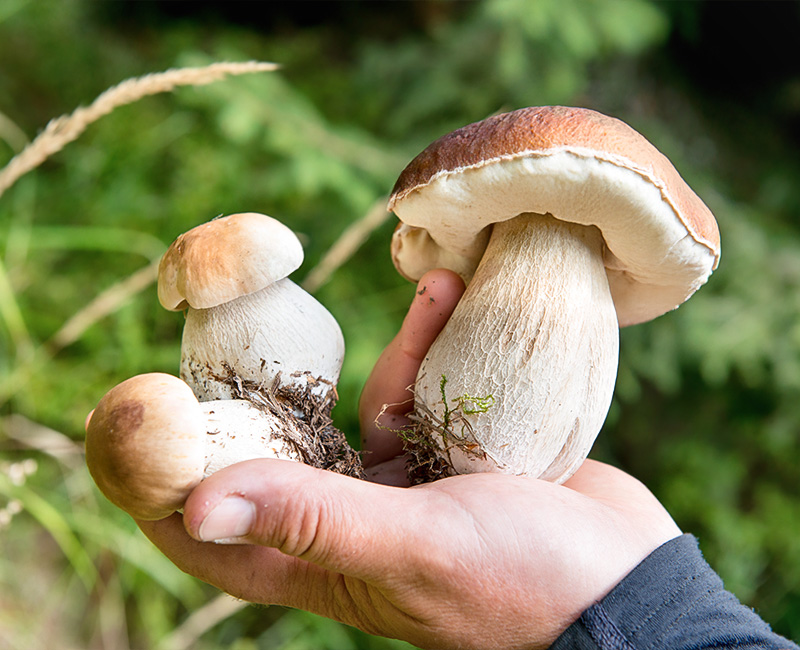
- Red light for “DIY” foraging: even though a walk in the woods is refreshing, it’s best to avoid mushrooms you’ve picked yourself or those gifted by friends during pregnancy. A mistake is not as unlikely as it seems, and the consequences of poisoning at such a delicate time would be too grave for both mother and baby.
How to enjoy them safely
Beyond their origin, there are three small secrets to enjoying mushrooms without worries:
Always cook them thoroughly: cooking not only enhances the aroma but also makes mushrooms more digestible and eliminates potential bacteria. Without overdoing the frequency, occasionally indulging in a mixed mushroom risotto or a side of sautéed porcini is absolutely fine, as long as they are well-cooked. However, avoid consuming raw mushrooms entirely.
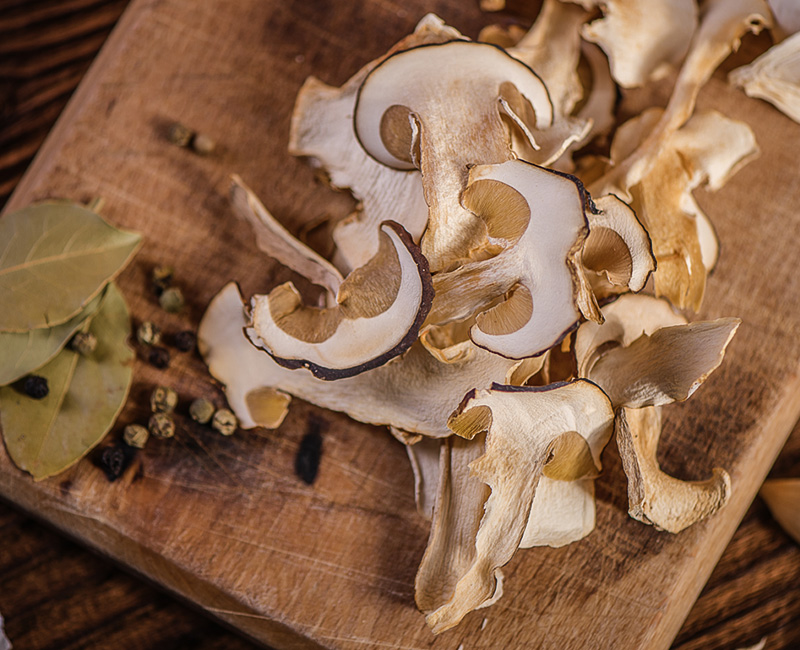
Extra care for fresh and dried mushrooms: if using fresh mushrooms, clean them thoroughly to remove any trace of soil; if you choose dried mushrooms, rinse them well under running water both before and after soaking them in lukewarm water. This step eliminates any impurities that might be hidden in the folds of the mushroom. If you wish to use the soaking water for cooking, make sure to filter it perfectly and always bring it to a boil.
In moderation: during pregnancy, digestion can slow down. Mushrooms are rich in fiber and nutrients, but they contain substances that can be challenging for the stomach. Enjoy them in moderation to avoid any discomfort!

Why they are good for you (even while expecting)
Mushrooms are an excellent addition to your diet: they are a natural source of fiber, B vitamins, and precious minerals like selenium and potassium. A valuable plant-based alternative to vary your daily diet with taste and lightness.
READ ALSO: Nutritional values and properties of mushrooms
Are you ready for your next mushroom dish? Here is a reminder to keep in the kitchen:
- Yes to fresh, frozen, or dried mushrooms, packaged or purchased from qualified retailers
- No to mushrooms of doubtful origin or those gathered in the wild
- Yes to thorough cooking (no raw mushrooms!)
- Yes to careful washing, especially for fresh and dried mushrooms
- Yes to moderate portions for easy digestion
And remember: always ask your doctor for advice regarding any specific doubts about your personal diet!